There are some events you plan for, and some that just come unexpectedly. This was one of the second kind.
In my first year at Cognizant, I got the opportunity to be part of a discussion with the Board of Directors. It wasn't something I had imagined happening this early in my career.
When I first heard about it, I wasn't sure what to expect. I've attended events, conferences, and internal sessions before — but this felt very different. This wasn't a large audience setting. It was a smaller, more focused interaction. No presentations. No slides. A conversation.
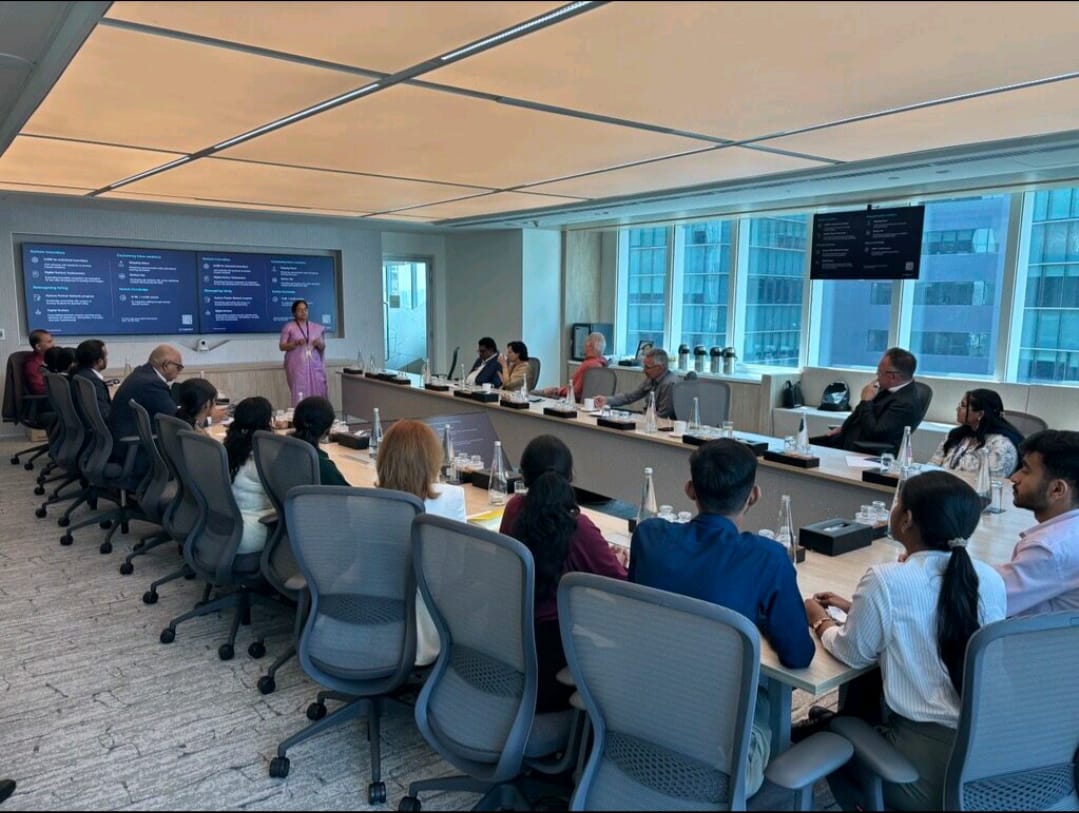
Calm, serious, and genuinely open
Walking in, the atmosphere was calm but serious. The setup was more like a conversation than a presentation — which made it both interesting and slightly intimidating at the same time.
The Board members present and the senior leadership in the room made for a range of perspectives I hadn't been in a room with before.
What stood out immediately was how the discussion was structured. It wasn't one-directional — not just leaders speaking while others listened. There was space for interaction, questions, and sharing experiences. That made the entire session feel genuinely open.
Practical, not abstract
The conversation mainly focused on two areas — the future of workplace opportunities in the IT industry, and the role of AI in shaping that future. What I appreciated was that it stayed practical throughout. No vague predictions. Concrete observations about where things are actually going.
- How roles are evolving
- How expectations are changing
- Why adaptability matters more than before
- Influencing workflows today
- Reshaping decision-making
- Improving productivity across functions
One point came up multiple times: continuous learning — but not in a general sense. In a practical, specific sense. Staying updated. Being flexible. Not getting too comfortable with a fixed skillset. Given how fast things are changing, especially with AI, this wasn't a generic motivational point. It felt like a real observation from people watching the industry shift in real time.
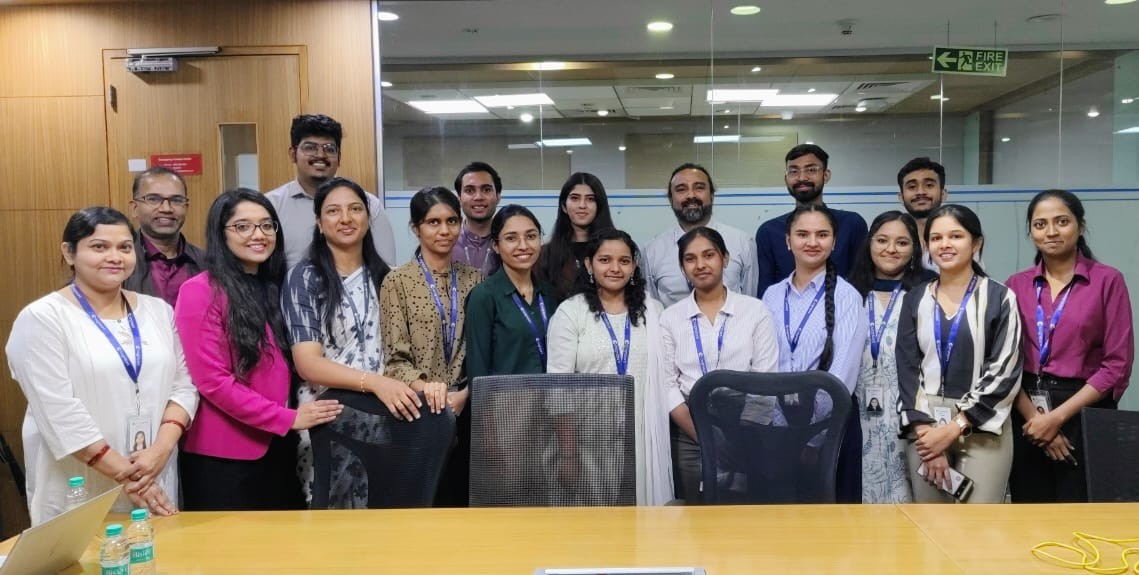
Already influencing how work is done — not something separate
AI wasn't presented as something on the horizon. It was discussed as something already influencing how work is done today. That framing matters — it's a different conversation than "AI is coming."
The role of people remains important — especially in terms of judgment, context, and responsibility.
AI shapes workflows, decision-making, and productivity. But alongside that, the human element — the judgment calls, the contextual understanding, the accountability — was repeatedly emphasized as something that doesn't get replaced, just repositioned.
Different viewpoints, same room
What I personally found most valuable was the opportunity to listen to different perspectives from people with very different backgrounds — all at the same time, in the same conversation.
Putting all of that together in one room gave a more complete picture than any single session or article could. It wasn't just information — it was context.
Getting to share my own experience
At one point, we also got the chance to share our own experiences. I spoke briefly about my journey so far — what I've been working on and what I've learned.
It wasn't a long conversation. But it was meaningful. Because it's not often that you get to share your perspective in a room like that — and have it genuinely received.
Not a performance. A conversation.
That distinction made it matter more.
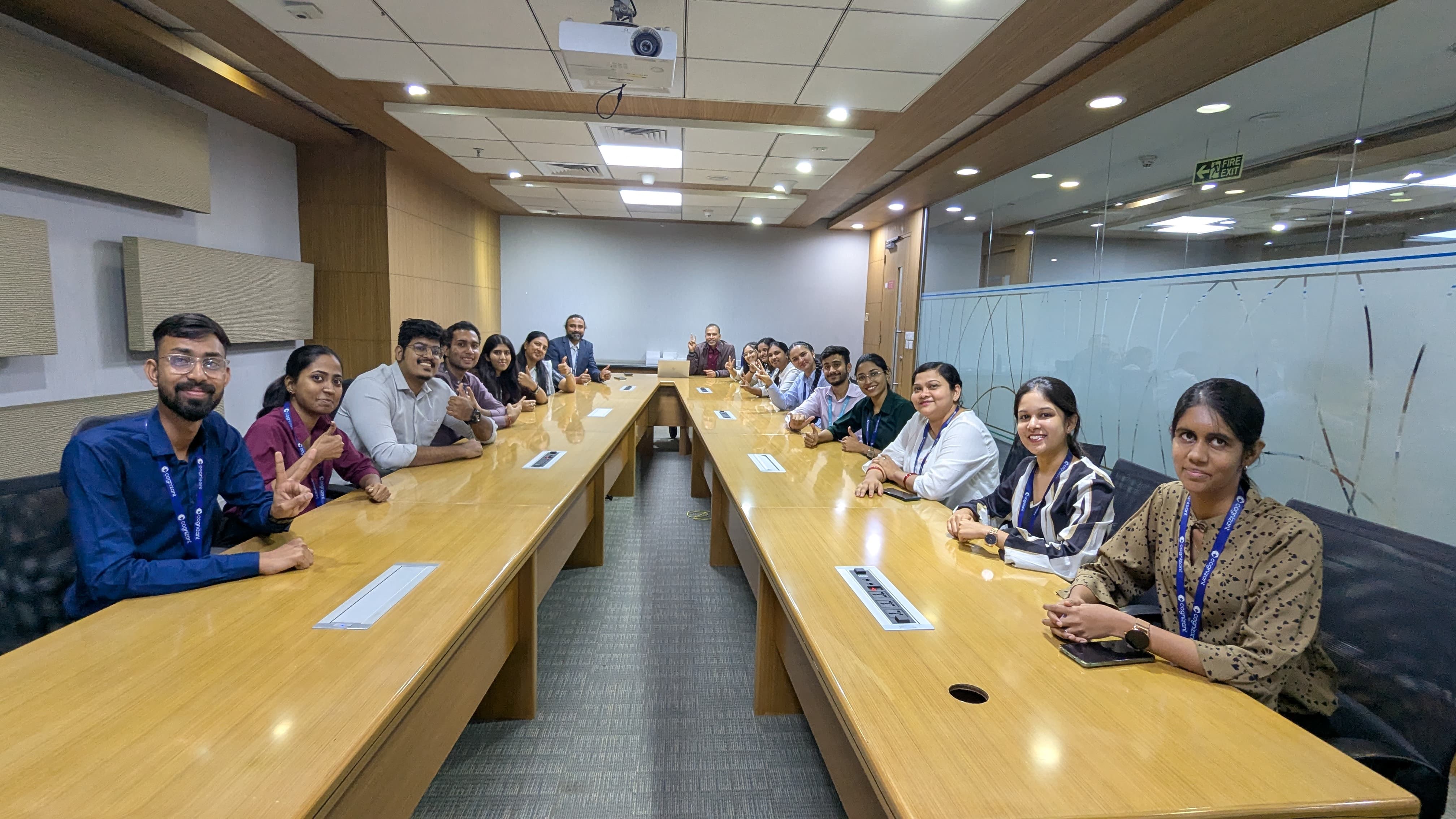
Beyond tools and tasks
I also realized something during the session. At early stages in our career, we often focus only on what's immediately in front of us.
- Learning tools and frameworks
- Completing assigned tasks
- Improving technical skills
How the work connects to larger goals, business impact, and long-term industry direction. Without that frame, it's easy to optimize for the wrong things.
Discussions like this show a broader perspective — how all of it connects to larger goals, business impact, and long-term growth. That context is hard to develop on your own, especially early on.
This wasn't a given — someone made it possible
It's not common for early-career professionals to be part of interactions like this. The opportunity existed because people deliberately created it.
- Shiva Hiremath
- Maya Sreekumar
- Aswathy Venugopal
- Sudarshini Puttappa
I'm genuinely grateful for the thought that went into including early-career people in a conversation at this level. It's the kind of access that changes how you think — not just about your career, but about what's actually happening in the industry around you.
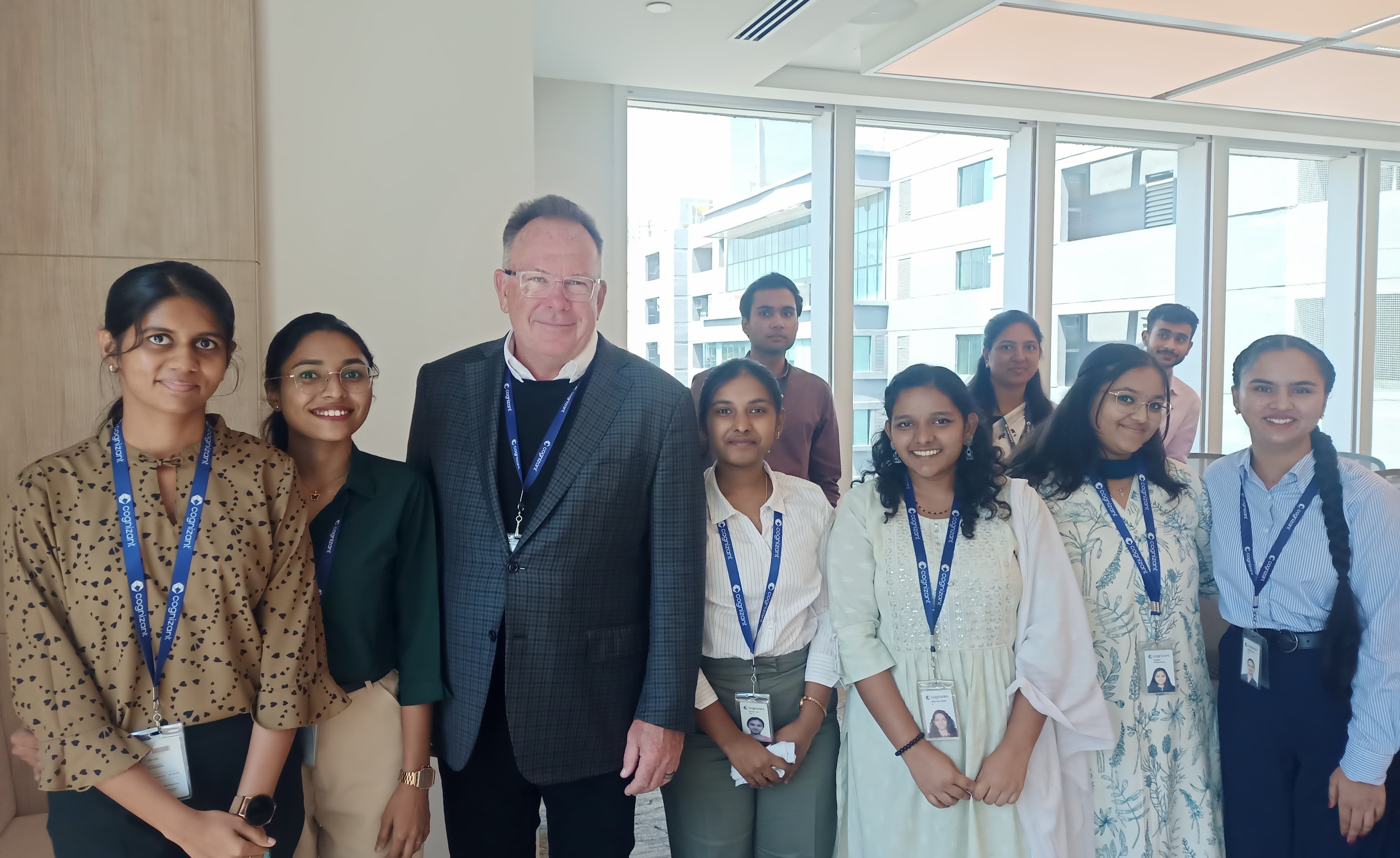
One of the more memorable moments of Year One
This wasn't a technical session or a typical event. It was a conversation that gave a broader view of where things are heading — both in terms of technology and careers. The setting was different. The depth was different. And what I took away from it was different from anything I've attended before.
There was no rush, no back-to-back sessions, no need to move between halls. A single conversation, but with real depth.
It's important to not just focus on what we are doing right now, but also understand where the industry is moving.
Definitely one of the more memorable moments in my journey at Cognizant so far. I'm grateful for the opportunity to learn from leaders with such diverse experience — and for being in a room where that learning actually happened through conversation, not just observation.
Zoom out. The work you're doing today connects to something much larger.
Understanding where the industry is moving — not just what your task is — is one of the most useful things you can develop early in your career.